How Can Professional Dental Care Add Years to Your Pet’s Life and Improve Their Daily Comfort?
Professional dental care for pets can meaningfully extend a pet’s life and dramatically improve their daily comfort by eliminating the chronic infection, pain, and systemic inflammation that untreated oral disease causes. Professional dental care for pets is not a cosmetic service. It is a medically necessary intervention that directly affects how long and how well your companion lives. If you have been told your pet needs a dental procedure and you are wondering whether it is worth it, this blog gives you the full clinical picture.
Is Your Pet’s Dental Health Affecting Their Heart, Liver, and Kidney Function?
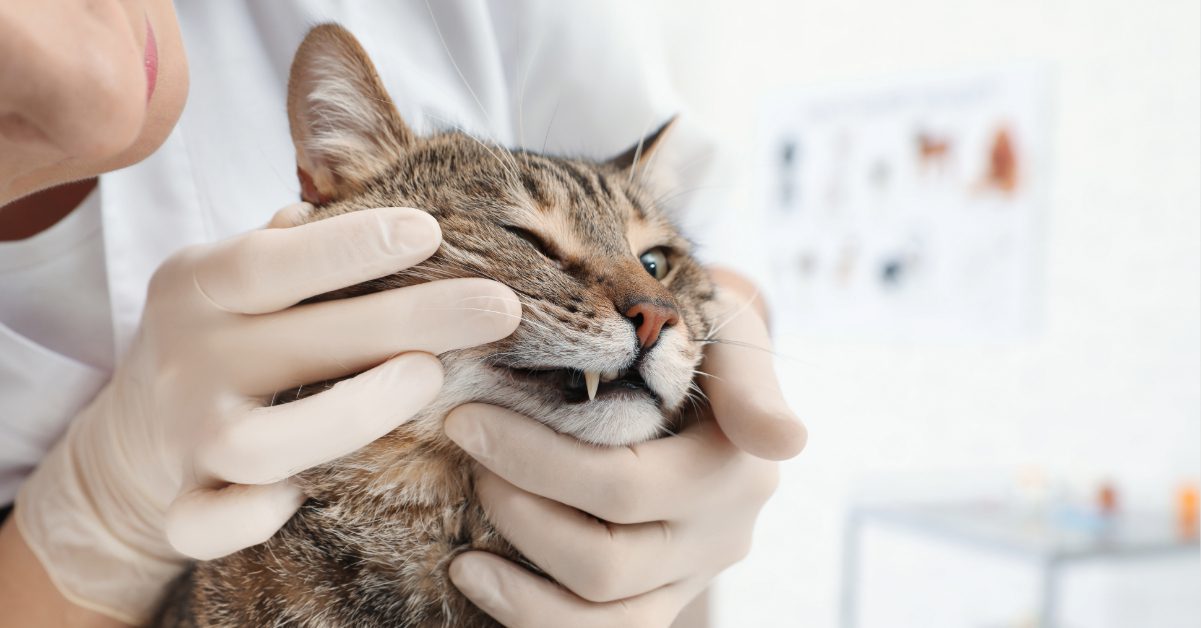
Before examining what professional dental care for pets can accomplish, it helps to understand what untreated dental disease actually does to the body. Periodontal disease is the most prevalent condition in companion animals, affecting the majority of dogs and cats by age three. Most owners are surprised to learn that gum disease is not just a mouth problem. It is a systemic disease with consequences that extend to the heart, kidneys, and liver.
How Does Oral Bacteria Travel to Major Organs?
The path from the mouth to the organs is direct and well documented. Bacteria that colonize beneath the gum line gain access to the bloodstream through the highly vascular tissue of the oral cavity, especially when that tissue is inflamed and compromised by periodontal disease. This bacteremia exposes the heart valves, kidney filters, and liver cells to repeated bacterial assault. Over time, the damage accumulates.
Veterinary cardiologists have noted higher rates of mitral valve disease in small breeds with significant periodontal disease. Nephrology findings in affected pets reveal elevated creatinine and BUN values that correlate with oral disease severity. Creatinine is a waste product that healthy kidneys filter from the blood, and BUN or blood urea nitrogen reflects how efficiently the kidneys are processing protein byproducts. When both values rise together, it signals that kidney function is under stress. Our specialists at Advanced Veterinary Dental Care and Oral Surgery in Glen Ellyn, IL work closely with referring veterinarians to evaluate these systemic connections and prioritize oral treatment in pets showing early organ changes.
Pets most at risk for systemic complications from dental disease tend to share these characteristics:
- Small or toy breed dogs, including Chihuahuas, Yorkshire Terriers, Maltese, and Shih Tzus
- Brachycephalic breeds with structural crowding, such as French Bulldogs, Pugs, and Boston Terriers
- Cats over age three, particularly those prone to tooth resorption or stomatitis
- Pets with a history of inconsistent or absent professional dental care
Why Is ‘Dog Breath’ Actually a Sign of Systemic Inflammation and Hidden Infection?
Pet owners frequently normalize bad breath in dogs and cats, attributing it to diet, genetics, or simply the nature of being an animal. Professional dental care for pets begins with the understanding that healthy mouths do not produce strong odors. Persistent mouth odor is a sign of active bacterial infection, and that infection has systemic implications.
What Does Mouth Odor Indicate Clinically?
The bacteria responsible for periodontal disease produce volatile sulfur compounds as metabolic waste. These compounds create the distinctive foul odor associated with dental disease in pets. When the odor is strong enough to be noticeable at a conversational distance, significant bacterial accumulation and gum tissue inflammation are almost certainly present.
Beyond the sulfur-producing bacteria of periodontal disease, other oral conditions generate characteristic odors as well. Oral masses can produce a distinctly sweet or fetid smell. Kidney disease often causes ammonia-like breath due to elevated blood urea nitrogen levels. Diabetic ketoacidosis produces a fruity or acetone-like odor. These distinctions matter clinically, and they are among the reasons a professional evaluation by a veterinary dental specialist is essential when mouth odor is present.
Why Dental Chews and Water Additives Are Not Enough
Products marketed for pet breath and dental hygiene can support oral health maintenance, but they do not treat established periodontal disease. By the time a pet’s breath is noticeably foul, the bacteria causing that odor are well established beneath the gum line. No amount of topical application reaches those subgingival bacteria effectively. Professional dental care for pets, including ultrasonic scaling and full-mouth radiographic evaluation, is the only intervention that addresses the disease at its source.
What Is the Difference Between a Routine Cleaning and a Specialist’s Approach to Systemic Oral Health?
Not all dental procedures for pets are equivalent, and understanding the difference between a general dental cleaning and specialist-level care helps you make informed decisions about what your pet actually needs.
What Does a General Dental Cleaning Typically Include?
A general veterinary dental cleaning performed under anesthesia typically includes supragingival (above the gum line) scaling and polishing, and in some cases, full-mouth radiographs. The level of periodontal probing, documentation, and subgingival treatment can vary significantly depending on the practice, the equipment available, and the training of the team performing the procedure. For pets with mild early disease, this level of care may be appropriate.
What Does a Veterinary Dental Specialist Offer That Is Different?
At Advanced Veterinary Dental Care and Oral Surgery in Glen Ellyn, our practice is built around a single discipline: veterinary dentistry and oral surgery. That focused expertise means every patient benefits from board-certified specialist knowledge, advanced periodontal surgical techniques, dental radiographs interpreted with diagnostic precision, and treatment planning that considers the whole animal.
For pets with advanced periodontal disease, tooth fractures, oral masses, palate defects, jaw fractures, or severe stomatitis, the difference between a general cleaning and specialist care is often the difference between an adequate outcome and a truly effective one. Our team at Advanced Veterinary Dental Care and Oral Surgery is experienced in the full spectrum of oral conditions and oral surgical procedures that complex cases demand.
What specialist-level dental care for pets includes that general practices may not routinely offer:
- Full-mouth dental radiographs interpreted by a specialist with advanced diagnostic training
- Comprehensive periodontal probing and documentation at every tooth
- Advanced periodontal surgical techniques
- Oral mass evaluation and surgical excision with histopathology
- Treatment of tooth resorption, stomatitis, and complex extraction cases
Are You Prepared to Protect Your Pet From the Long-Term Risks of Untreated Periodontal Disease?
Periodontal disease does not pause between veterinary visits. Once established, it progresses. Bone is lost, tissue is destroyed, and teeth are compromised. The systemic inflammatory burden accumulates with every stage of disease progression. Professional dental care for pets interrupts this progression and gives the body a chance to recover from the chronic bacterial exposure that active oral disease creates.
What Can Pet Owners Realistically Expect After Professional Dental Treatment?
The post-treatment period is often when pet owners first understand the full extent of the discomfort their animal had been managing silently. Within days to weeks after a comprehensive dental procedure, owners frequently report that their pet is more energetic, eating with more enthusiasm, more interested in toys and interaction, and simply happier. These are not minor changes. They represent a fundamental shift in the animal’s baseline quality of life.
Long-term, pets who receive consistent professional dental care enter their senior years with healthier mouths, fewer systemic complications, and better overall organ function. The investment in professional dental care for pets pays dividends not just in years added, but in the quality of each one of those years.
For pet owners in Glen Ellyn, Wheaton, Naperville, Lombard, and the surrounding communities, Advanced Veterinary Dental Care and Oral Surgery offers the specialized focus and clinical depth that genuine oral health care demands. When your pet’s mouth needs more than a basic cleaning, contact us at (630) 866-1607.
Recent Posts
About Us
At Advanced Veterinary Dental Care and Oral Surgery in Glen Ellyn, IL, we provide advanced dental and oral surgical care for dogs and cats. Our team uses detailed diagnostics and careful treatment planning to help pets feel more comfortable.