What to Expect When a Pet Needs Specialty Dental Care
A referral for advanced dental care can bring up questions about diagnosis, treatment, anesthesia, recovery, and next steps. At Advanced Veterinary Dental Care and Oral Surgery, we make the process clear and supportive from the start.
Our team provides advanced dental and oral surgery care for dogs and cats while working closely with primary veterinarians. You can expect careful evaluation, clear communication, and a treatment plan shaped around your pet or patient’s comfort, safety, and long-term oral health.
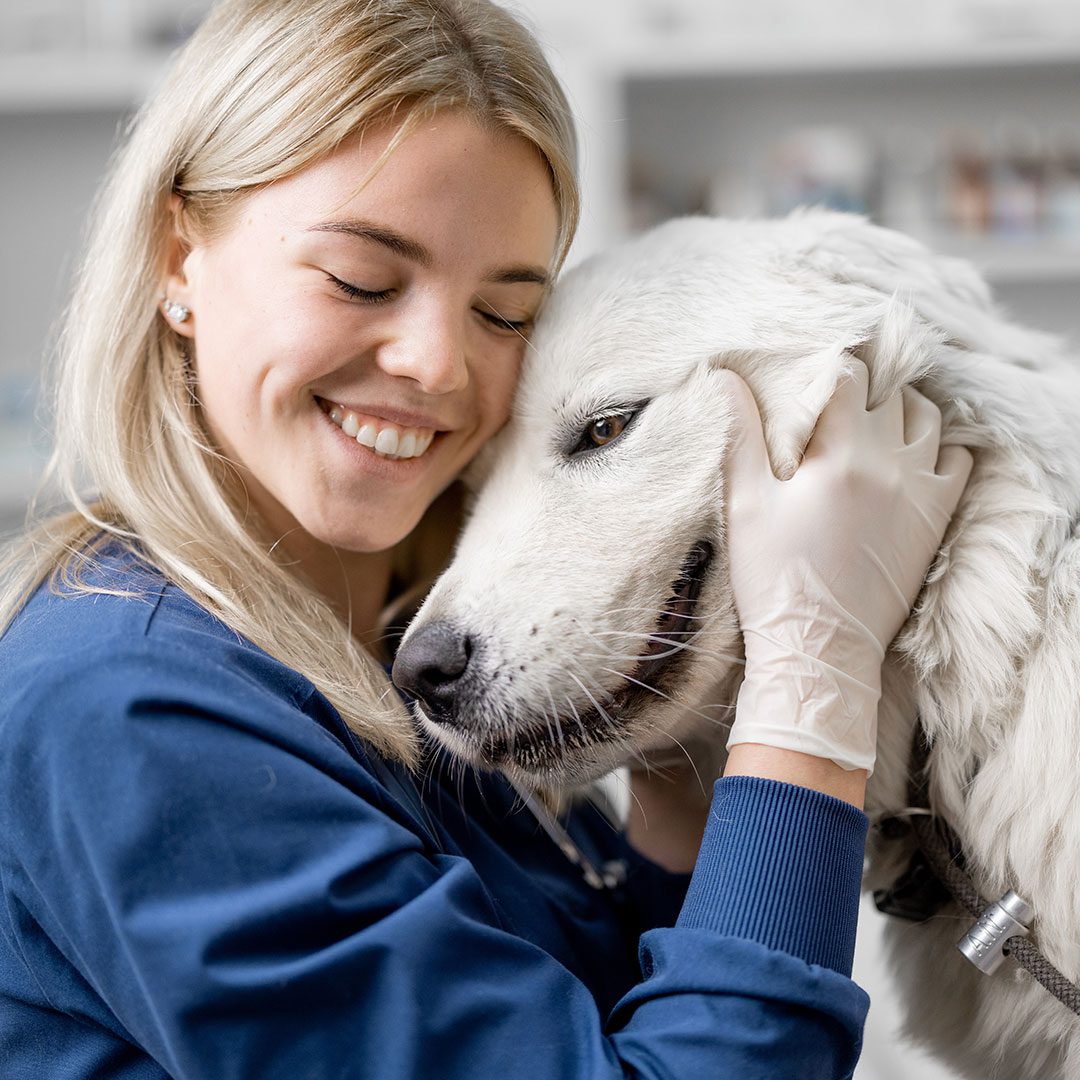
What Pet Owners Can Expect
From your first call to your pet’s follow-up care, our team is here to make the referral process feel clear and manageable. We will explain what information we need, what may happen during your pet’s visit, how diagnostics and treatment planning work, and what recovery may look like afterward.
The sections below walk you through each step so you know how to prepare and what to expect along the way.
Before Your Visit
Before your appointment, we will review any records provided by you or your primary veterinarian. This may include medical history, lab work, dental radiographs, current medications, photos, or referral notes. Being able to review your pet’s records in advance helps us understand their needs and prepare for a productive visit.
Consultation and Evaluation
During the consultation, we will discuss your pet’s history, the reason for referral, and any concerns you have noticed at home. Our team will explain what we see and whether additional diagnostics or treatment may be recommended.
Because many dental problems happen below the gumline, some conditions require imaging or an oral exam under anesthesia for a complete diagnosis.
Imaging and Treatment Planning
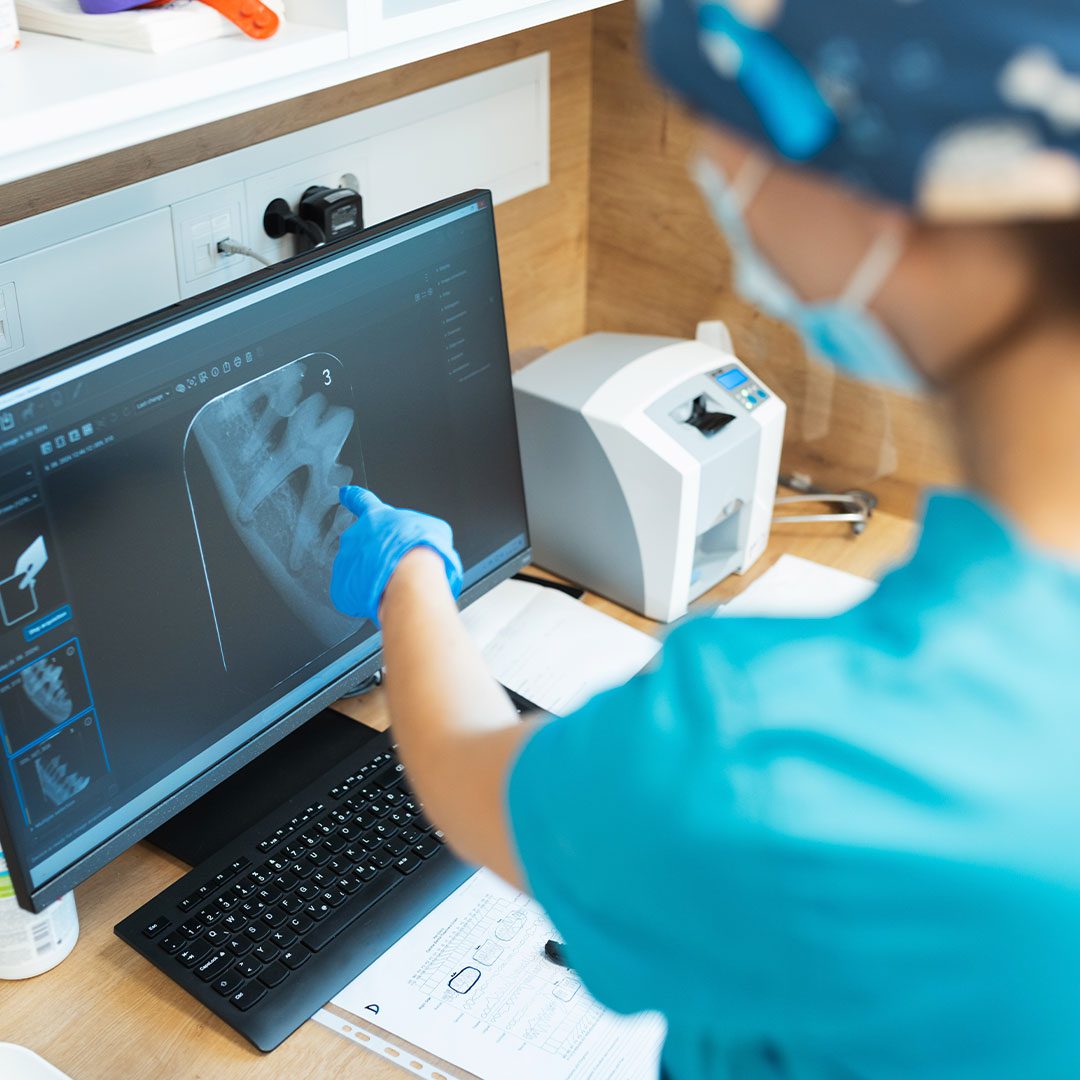
When needed, we use digital dental radiographs and cone beam CT imaging to evaluate the teeth, roots, bone, jaw, and surrounding structures.
Your pet’s treatment plan may include advanced imaging, periodontal therapy, extractions, surgery, root canal treatment, restorative therapy, orthodontics, or maxillofacial trauma care.
We will review the findings, explain your options, and help you understand what to expect before treatment begins.
Anesthesia and Safety
Many advanced dental procedures require anesthesia so we can examine and treat the mouth thoroughly and safely. We use individualized anesthesia plans, pain management, advanced monitoring, patient warming, and monitored recovery protocols based on your pet’s health and procedure.
After Treatment
Before your pet goes home, we will review what was done and provide clear aftercare instructions. These may include medication guidance, soft food or chewing restrictions, activity recommendations, follow-up plans, and signs to watch for during healing.
We will also update your primary veterinarian so your pet’s care remains connected.
For Referring Veterinarians
Our role is to support your patient’s advanced dental and oral surgery needs while preserving your relationship with the client. You can expect collaborative communication, case updates, treatment summaries, and follow-up recommendations.