Cat and Dog Tooth Extraction in Glen Ellyn, IL for Painful or Damaged Teeth
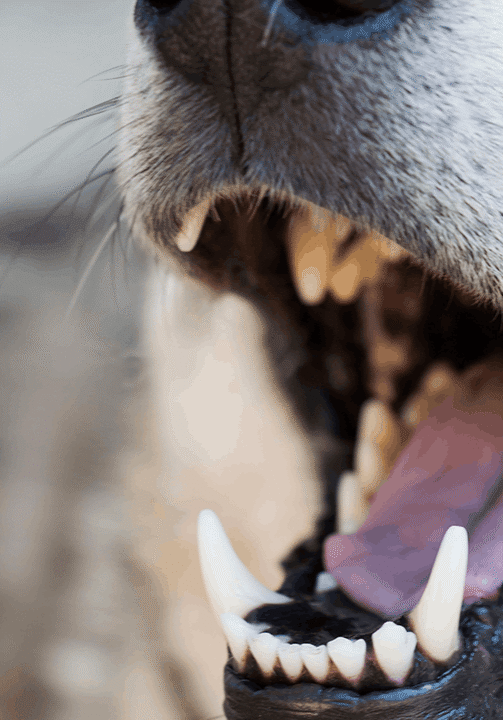
A damaged tooth can cause more discomfort than many pets let us see. Cats and dogs often continue chewing, eating, and playing, despite infection or disease. By the time symptoms become obvious, the problem may already be affecting the tooth root, surrounding bone, or nearby tissues.
Advanced Veterinary Dental Care and Oral Surgery provides cat and dog tooth extraction for pets who need advanced dental surgery due to traumatic tooth injuries, infections, tooth impactions, and other complex oral conditions. Our Glen Ellyn, IL team uses detailed imaging, careful surgical planning, and individualized pain management to remove diseased or damaged teeth while supporting your pet’s comfort and recovery.
When Does My Pet Need a Tooth Extraction?
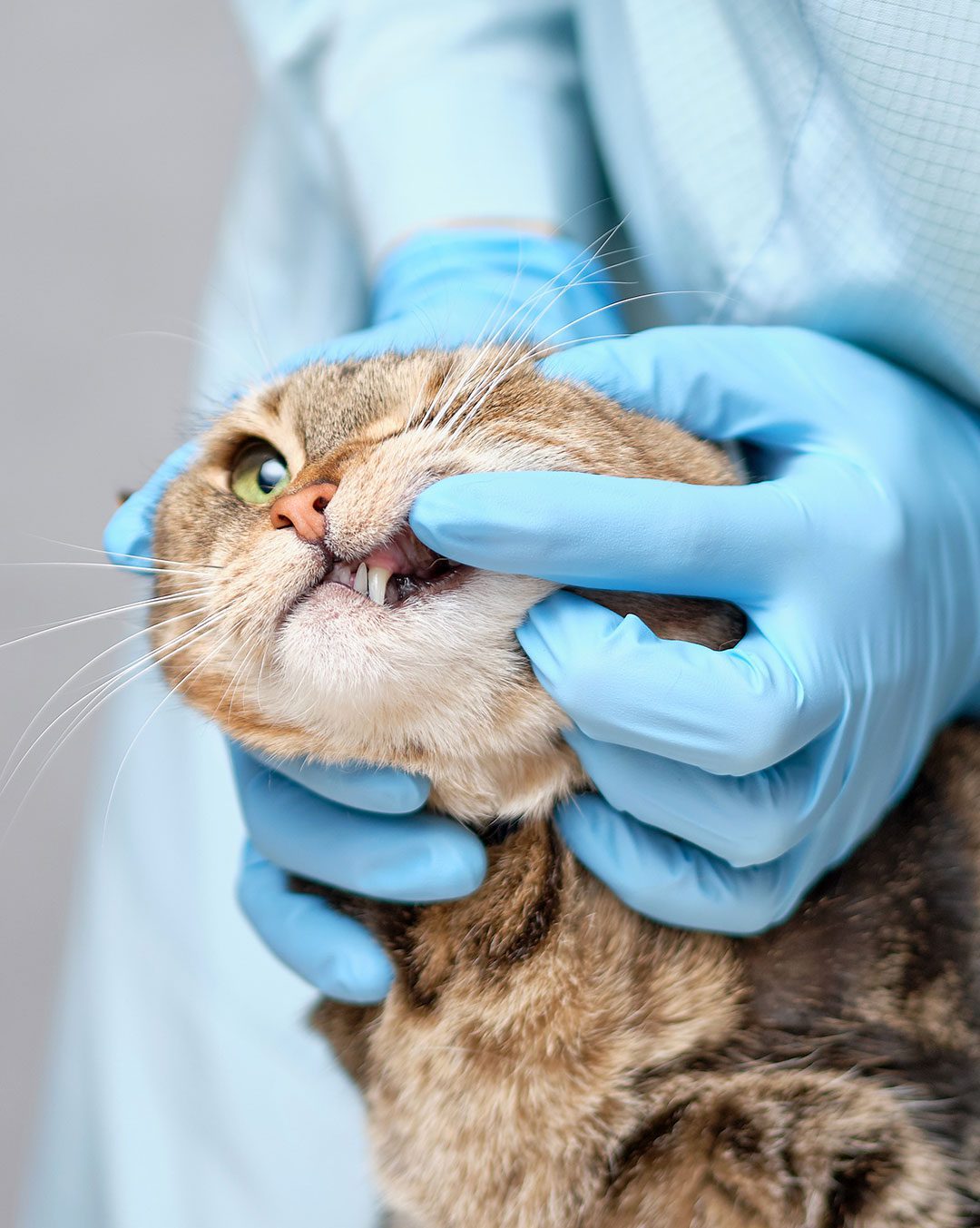
A tooth extraction may be recommended when a tooth cannot be saved or when leaving it in place would continue to cause pain, infection, or damage. In some cases, the visible part of the tooth may only tell part of the story. Dental imaging helps us evaluate the roots, bone, and surrounding structures before making a treatment recommendation.
Surgical extractions may be needed for pets with:
Traumatic tooth injuries
Fractured or broken teeth
Deep infection or abscesses
Advanced periodontal disease
Tooth root damage
Impacted teeth
Unerupted teeth causing cysts or bone changes
Teeth damaged by resorption, especially in cats
Persistent baby teeth affecting adult teeth
Teeth involved in jaw trauma or oral masses
Surgical extraction is not simply “pulling a tooth.” Many dog and cat teeth have long, curved, or multiple roots. Some sit close to sensitive structures in the jaw, nose, or surrounding bone. Our team plans each extraction carefully to reduce trauma, confirm complete removal, and support healing.
What Happens During a Pet Tooth Extraction?
Tooth extraction is a surgical procedure, and the exact approach depends on the tooth involved, its root structure, and the underlying disease. At Advanced Veterinary Dental Care and Oral Surgery, we evaluate the tooth and surrounding structures carefully before determining the appropriate treatment.
1. Examination and Treatment Planning
Your pet will receive a thorough oral examination. If your pet was referred by your primary veterinarian, we will also review their medical history, previous diagnostics, and reason for referral.
Dental disease can extend below the gumline, so an awake examination cannot always show the full extent of the problem.
2. Anesthesia and Dental Imaging
Dental procedures require general anesthesia so the veterinary team can safely examine and treat the mouth while protecting your pet’s airway. An individualized anesthetic and pain-management plan is created based on your pet’s age, health, and procedure.
Dental radiographs help evaluate teeth before extraction, while cone beam CT (CBCT) may be recommended for a more detailed, three-dimensional view of the teeth, jaw, bone, and surrounding structures.
3. Surgical Extraction
Some teeth can be removed relatively simply, while others require a surgical approach. This is particularly true for teeth with multiple or curved roots, teeth that are fractured below the gumline, or teeth surrounded by significant disease.
Depending on the tooth, surgical extraction may involve creating a gingival flap, removing a small amount of surrounding bone, sectioning the tooth into smaller portions, and carefully removing the roots. The surgical site is then cleaned and closed as appropriate.
The goal is to remove the diseased tooth while minimizing unnecessary trauma to the surrounding tissues.
4. Recovery and Pain Management
Your pet will be closely monitored as they recover from anesthesia. Pain management is an important part of dental surgery, and your pet's treatment plan may include local anesthetic techniques and other medications selected for their individual needs.
Before your pet goes home, our team will explain what was found, which teeth were treated or removed, and how to care for your pet during recovery.
What Should I Expect After My Pet Has a Tooth Extracted?
Most pets recover well after dental extractions, although recovery depends on the number and type of teeth treated, the severity of the underlying disease, and your pet's overall health.
Your pet may be sent home with:
Pain medication or other medications when indicated
Instructions for feeding and chewing restrictions
Recommendations for limiting activity while the surgical site heals
Instructions for monitoring appetite and comfort
Guidance on caring for the mouth during recovery
Follow-up recommendations when appropriate
A temporary soft-food diet may be recommended after some extractions. Your veterinary team will let you know when your pet can return to their normal diet and routine.
Contact your veterinary team if your pet has significant swelling, persistent bleeding, worsening discomfort, refuses food or water, or develops other concerning changes after surgery.
If your pet was referred by their primary veterinarian, we will also communicate treatment findings and follow-up recommendations so their regular veterinary team remains involved in their ongoing care.
Frequently Asked Questions About Pet Tooth Extractions
The extraction itself is performed under general anesthesia, so your pet does not experience the procedure while awake. Pain management is incorporated into the treatment plan, and your pet will receive local anesthetics and other pain-relieving medications as appropriate.
Yes. Most dogs and cats can eat soon after dental extractions, although the recommended diet may temporarily change depending on the procedure. Your veterinary team will provide specific feeding instructions based on your pet's treatment and recovery.
Recovery varies depending on the number and type of teeth removed and the complexity of the procedure. Some pets return to their normal routine relatively quickly, while pets with multiple extractions or more extensive oral surgery may need additional recovery time. Follow your veterinary team's instructions regarding food, activity, medications, and follow-up care.
Dental X-rays show the parts of the tooth that cannot be seen above the gumline, including the roots and surrounding bone. They can identify disease or abnormalities that may not be apparent during a visual examination and help the veterinarian plan the safest treatment.
Yes, when medically appropriate. The number of teeth that can be safely treated during one procedure depends on your pet's health, the extent of dental disease, the complexity of the extractions, and the total anticipated anesthesia time. In some cases, treatment may be staged across more than one procedure.