Cat and Dog Oral Tumor Surgery in Glen Ellyn, IL for an Improved Quality of Life
Finding a growth, swelling, or unusual area in your pet’s mouth can be unsettling, especially when you are waiting for answers. Oral tumors in dogs and cats can vary widely. Some are benign and slow-growing, while others are more aggressive and require prompt treatment.
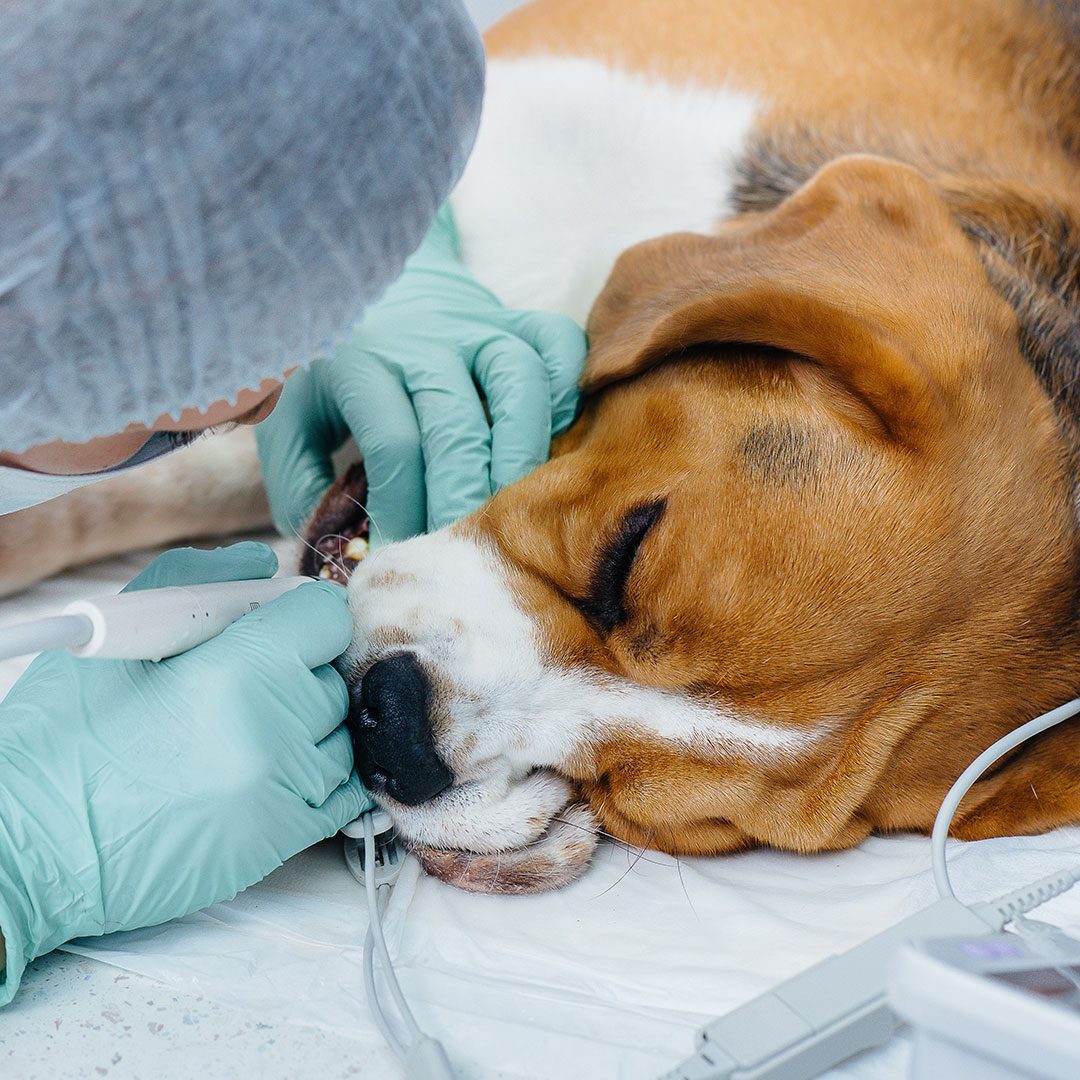
At Advanced Veterinary Dental Care and Oral Surgery, we provide cat and dog oral tumor surgery with advanced imaging, biopsy, and careful surgical planning. Our Glen Ellyn, IL team evaluates the tumor’s size, location, and effect on nearby teeth, bone, and soft tissue so we can recommend the most appropriate next step for your pet.

Types of Oral Tumors That May Need to Be Removed in Pets
Oral tumors can develop on the gums, tongue, lips, jawbone, palate, tonsils, or other tissues inside the mouth. Some are benign, meaning they do not spread to distant areas of the body. Others are malignant and may behave more aggressively.
Surgery may be recommended for oral masses such as:
Growths on the gums or soft tissues of the mouth
Tumors involving the jawbone
Masses affecting chewing, swallowing, or comfort
Tumors that bleed, ulcerate, or become infected
Oral masses that need biopsy for diagnosis
Benign tumors that continue to grow or interfere with normal function
Malignant tumors that may benefit from surgical removal or debulking
Because oral tumors can look similar from the outside, biopsy is often needed to understand what type of tumor is present. Advanced imaging helps us evaluate the size, location, and depth of the mass, including whether bone or nearby teeth are involved.
How We Evaluate Oral Tumors
Before surgery, we gather as much information as possible so we can plan the safest and most effective approach for your pet.
Your pet’s evaluation may include:
A complete oral exam
Digital dental radiographs
3D imaging with cone beam CT when indicated
Biopsy of the lesion
Assessment of nearby teeth, bone, and soft tissue
Surgical planning based on tumor location and extent
Communication with your primary veterinarian
This information helps us determine whether the tumor can be removed, how much tissue may need to be included, and what follow-up care may be recommended.

What to Expect After Oral Tumor Surgery
Prognosis after oral tumor surgery depends on several factors, including the tumor type, size, location, biopsy results, whether bone is involved, and whether the mass can be fully removed.
Some pets do very well after surgery, especially when a tumor is found early and can be removed with clean margins. Other tumors may require additional care, such as further diagnostics, monitoring, or referral for oncology support.
After biopsy and surgery, we will walk you through what the results mean and what your pet’s next steps may look like. This may include:
Routine healing and monitoring
Follow-up oral exams
Repeat imaging when needed
Additional surgery in select cases
Referral to an oncologist if advanced cancer care is recommended
Long-term comfort and quality-of-life planning
Every case is different. Our team will explain your pet’s findings in clear language so you can make informed decisions with confidence.
Advanced Surgical Care When Answers Matter Most
An oral mass can feel scary, but evaluation is the first step toward answers. With advanced imaging, biopsy, and surgical planning, our team can better understand what your pet is facing and recommend care based on their diagnosis. If your pet has an oral mass, swelling, bleeding, or a lesion found by your primary veterinarian, we are here to help you take the next step.