Cat Dental Care in Glen Ellyn, IL for Complex Feline Oral Health Needs
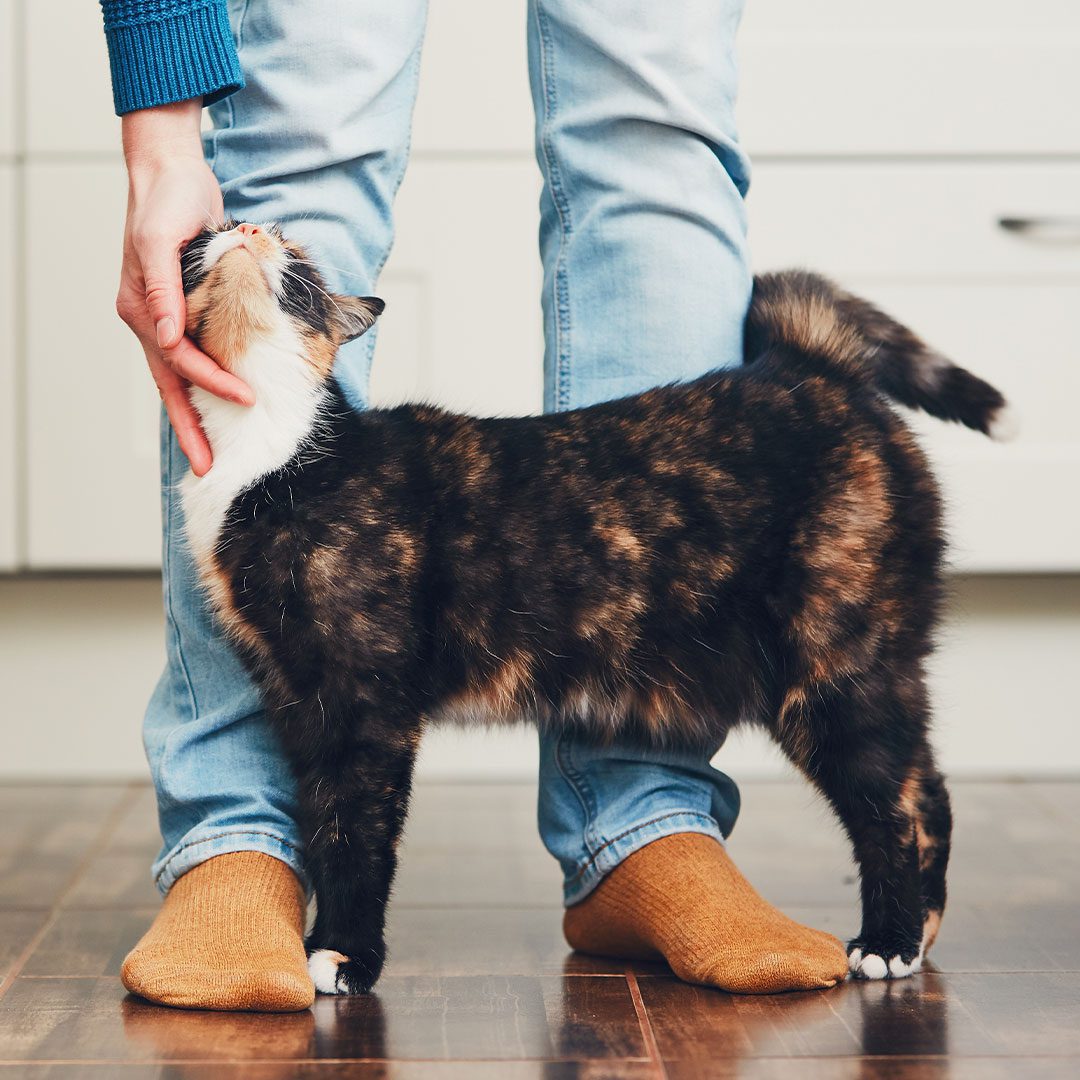
Cats are experts at keeping discomfort hidden. A cat with resorptive lesions may still eat. A cat with inflamed gums may still groom. A cat with an oral mass, jaw injury, or advanced dental disease may only show the smallest changes at home.
For feline patients who need more than routine dental care, Advanced Veterinary Dental Care and Oral Surgery offers advanced imaging, diagnosis, and treatment in a setting built for specialty oral health services. Our cat dental care in Glen Ellyn, IL helps uncover the painful problems cats often hide, from tooth resorption and periodontal disease to jaw injuries, oral inflammation, and tumors.
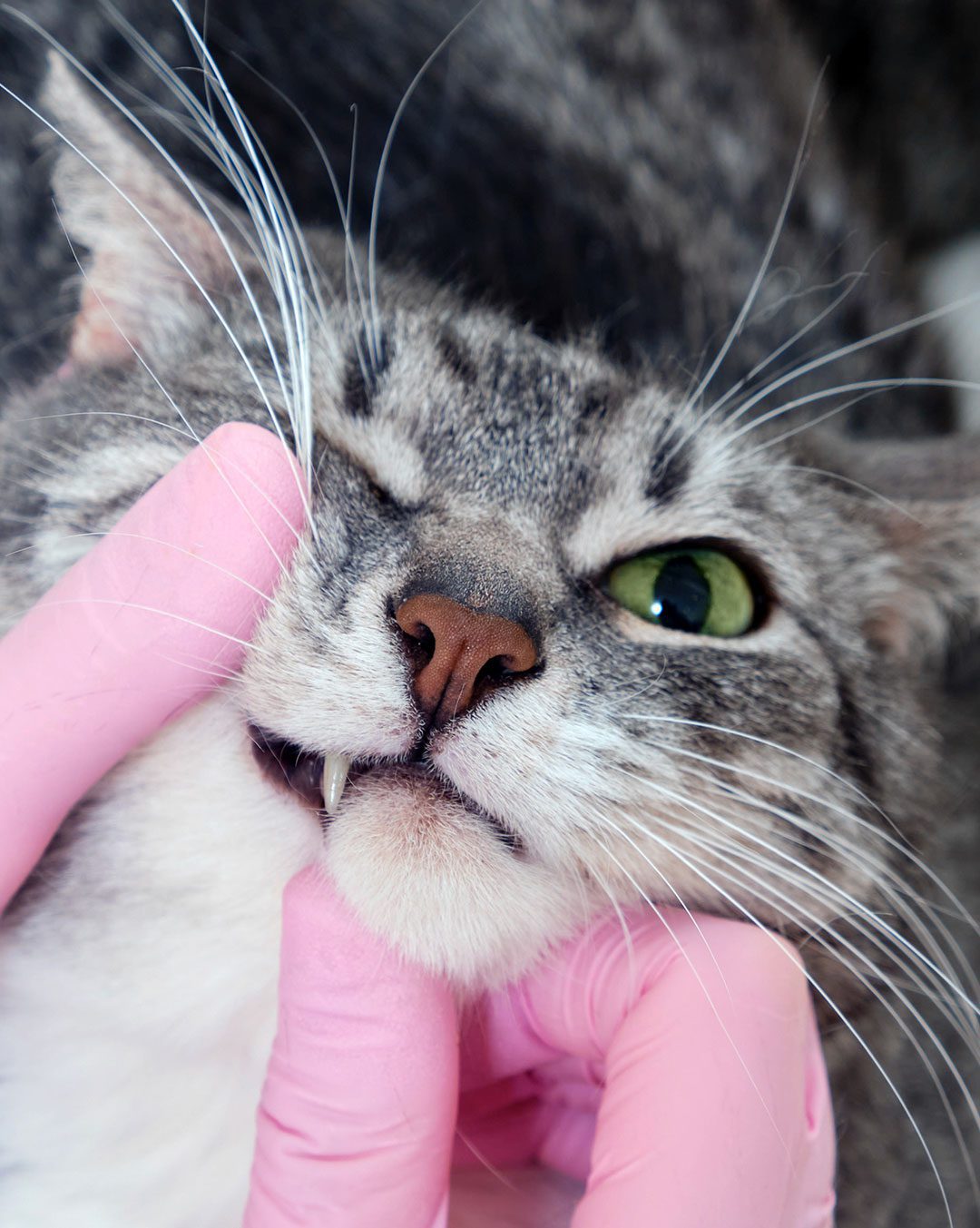
Why Cats Need Regular Dental Care
Dental disease is common in cats, but it is not always easy to recognize. Many cats continue eating, drinking, and interacting normally even when they have painful oral disease. Others may show subtle signs that are easy to mistake for picky behavior or aging.
Your cat may need dental care if you notice:
Bad breath
Drooling
Pawing at the mouth
Dropping food while eating
Chewing on one side
Eating less or avoiding hard food
Red, swollen, or bleeding gums
Weight loss
Hiding or behavior changes
Visible damage to a tooth
Swelling around the face or jaw
Regular oral exams and dental imaging help identify problems before they become more painful. Because many feline dental conditions happen below the gumline or inside the tooth, advanced imaging can be especially important for accurate diagnosis.
Common Feline Dental Problems
Cats can develop several dental and oral conditions that require advanced care. Some can progress quickly, while others may remain hidden until your cat is under anesthesia for a complete oral exam and imaging.
Tooth Resorption
Tooth resorption is one of the most common and painful dental conditions in cats. It occurs when the body begins breaking down the structure of a tooth. The damage may affect the crown, root, or both, and it can be difficult to see during an awake exam.
Periodontal Disease
Periodontal disease affects the gums, ligaments, and bone that support the teeth. It often begins with plaque and tartar buildup, then progresses below the gumline, causing pain, infection, gum recession, loose teeth, and bone loss.
Feline Gingivostomatitis
Feline gingivostomatitis is a painful inflammatory condition that can affect the gums and tissues throughout the mouth. Cats with this condition may have severe redness, swelling, drooling, difficulty eating, weight loss, or obvious oral discomfort.
Jaw Fractures and Oral Trauma
Cats can experience jaw fractures or oral injuries from falls, accidents, bites, or other trauma. These cases require careful evaluation of the teeth, jawbone, soft tissues, and surrounding structures.
Oral Tumors
Oral tumors in cats can appear as swelling, bleeding, changes in eating, bad breath, or a visible mass in the mouth. Diagnosis may involve advanced imaging, biopsy, and surgical planning.

Feline Dental Services We Offer
At Advanced Veterinary Dental Care and Oral Surgery, our feline dental services are designed for cats who need advanced diagnosis and treatment. We work closely with pet owners and referring veterinarians to provide clear answers and a thoughtful care plan.
Clear Answers for Your Cat’s Oral Health
Cats rarely make dental pain obvious, but that does not mean they are comfortable. Subtle changes in eating, grooming, breath, or behavior can be signs that something deeper is happening. Our expert team is here to help identify the source of discomfort, explain your cat’s options, and provide care with the precision and gentleness cats deserve.