Cat and Dog Maxillofacial Trauma in Glen Ellyn, IL for Jaw, Facial, and Oral Injuries
A fall, bite wound, car accident, or unexpected injury can leave a pet with damage that is not always easy to see from the outside. When trauma affects the teeth, jaw, face, or surrounding oral structures, your pet needs careful evaluation and a treatment plan built around both healing and function. Advanced Veterinary Dental Care and Oral Surgery in Glen Ellyn, IL treats cat and dog maxillofacial trauma with 3D imaging, dental radiographs, fracture assessment, and surgical stabilization techniques when needed.
What Issues Can Affect Pets with Maxillofacial Trauma?
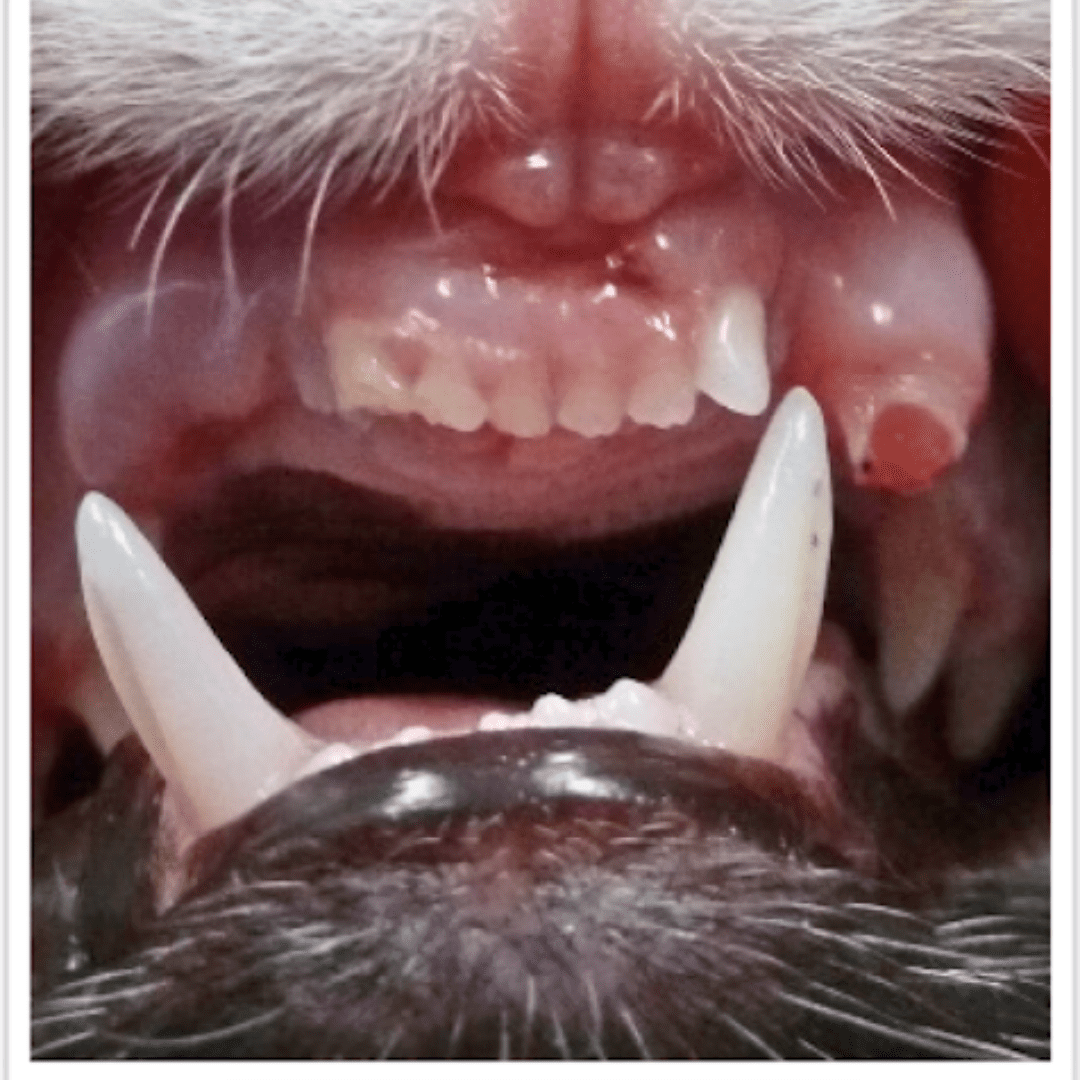
Maxillofacial trauma refers to injuries involving the face, jaws, mouth, teeth, and surrounding structures. These injuries may happen after blunt force trauma, falls, animal bites, chewing accidents, or other sudden events.
Pets may need advanced evaluation for:
Jaw fractures
Facial fractures
Broken or displaced teeth
Tooth root injuries
Soft tissue wounds inside the mouth
Palate injuries
Trauma involving the nose or upper jaw
Bite wounds affecting the face or mouth
Injuries near nerves, blood vessels, or other sensitive structures
Difficulty opening or closing the mouth
Trouble eating, chewing, or swallowing after trauma
Because the mouth contains teeth, bone, nerves, blood vessels, and soft tissue in a small space, even one injury can affect several structures at once. Advanced imaging helps us see the full picture before treatment begins.
Treatment Options for Maxillofacial Trauma
Treatment depends on the type of injury, its location, the stability of the fracture, the health of nearby teeth, and your pet’s overall condition. Our specialty team in the Chicagoland area uses 3D imaging and dental radiographs to evaluate fractures, adjacent teeth, and vital structures before recommending the ideal approach to management of the trauma.
Your pet’s treatment plan may include:
Advanced Imaging and Fracture Evaluation
3D imaging and dental radiographs allow us to assess fracture lines, tooth roots, bone displacement, and nearby structures. This helps us plan treatment with greater precision and avoid unnecessary trauma during repair.
Surgical Stabilization
When a jaw or facial fracture is unstable, surgical stabilization may be recommended. The goal is to support proper alignment and healing while helping your pet regain comfortable oral function.
Dental Treatment for Injured Teeth
Trauma can fracture teeth, damage roots, or affect teeth near the injury site. Depending on the tooth and severity of damage, treatment may include extraction, root canal therapy, restoration, or monitoring.
Soft Tissue Repair
Oral wounds, lacerations, and palate injuries may need surgical repair to support healing, reduce discomfort, and help your pet eat and swallow more normally.
Nutritional Support
Some pets need modified feeding or temporary nutritional support while the mouth or jaw heals. If this is needed, we will explain the options and help you understand how to support your pet at home.
Aftercare Following Cat and Dog Maxillofacial Trauma Treatment
Recovery after maxillofacial trauma depends on the injury and the type of repair performed. Before your pet goes home, we will review aftercare instructions, expected healing, and signs to watch for.
Your pet’s recovery plan may include:
Pain medication and other medications as directed
Soft food or a modified diet
Restricted chewing while bones or tissues heal
Avoiding toys, bones, antlers, and hard treats
Activity restriction for a short period
Monitoring swelling, appetite, comfort, and incision sites
Follow-up exams or imaging to evaluate healing
Nutritional support guidance, if needed
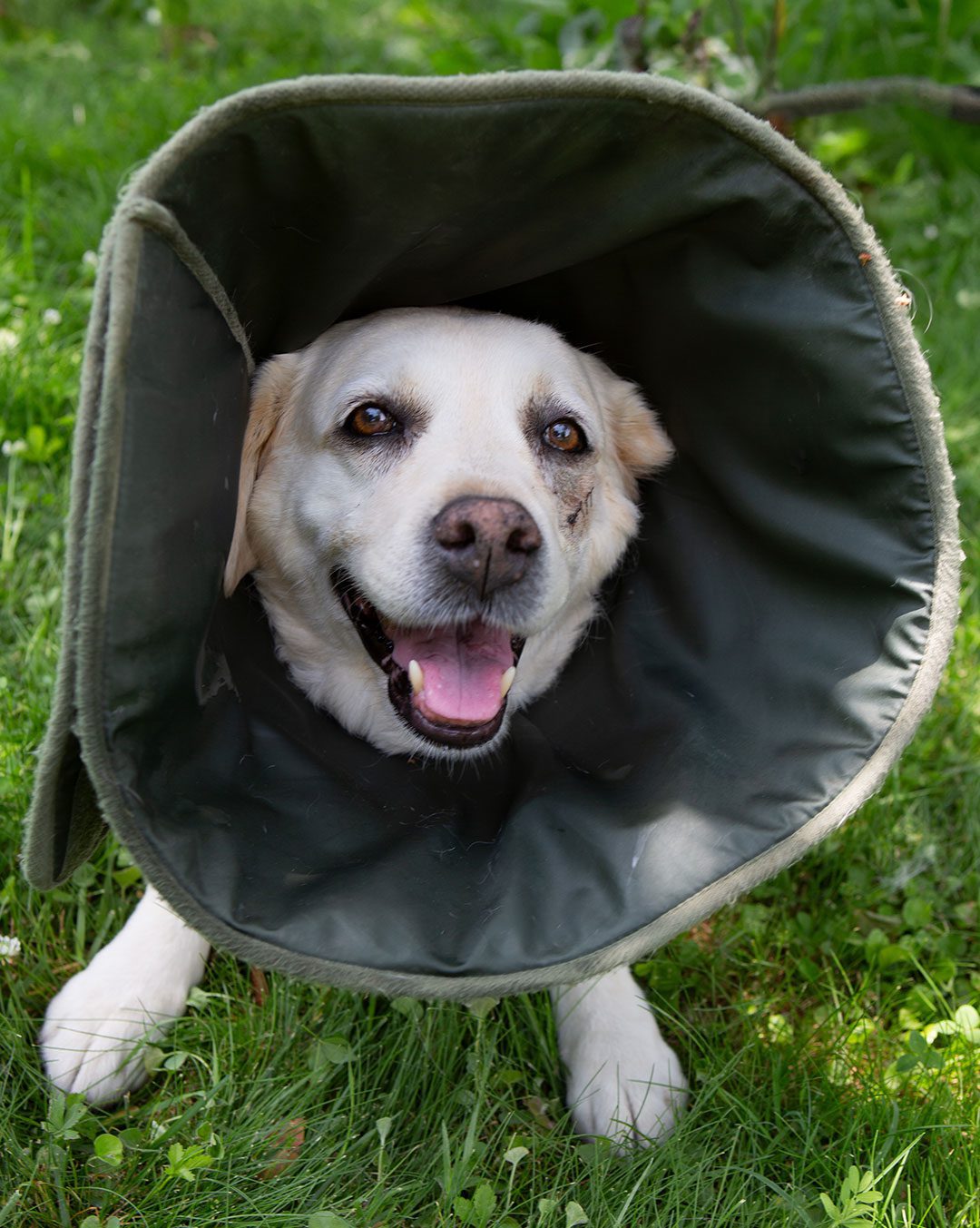
Healing from facial or jaw trauma can take time, especially when fractures or multiple injured structures are involved. We will also communicate with your primary veterinarian so your pet’s ongoing care stays connected.
Helping Pets Recover Comfort and Function After Trauma
Maxillofacial injuries can feel overwhelming, but advanced imaging and careful surgical planning make it possible to understand the injury and choose the right next step. The sooner your pet is evaluated, the sooner we can help manage pain, protect important structures, and support healing.