Cat and Dog Braces in Glen Ellyn, IL and Other Orthodontic Therapies
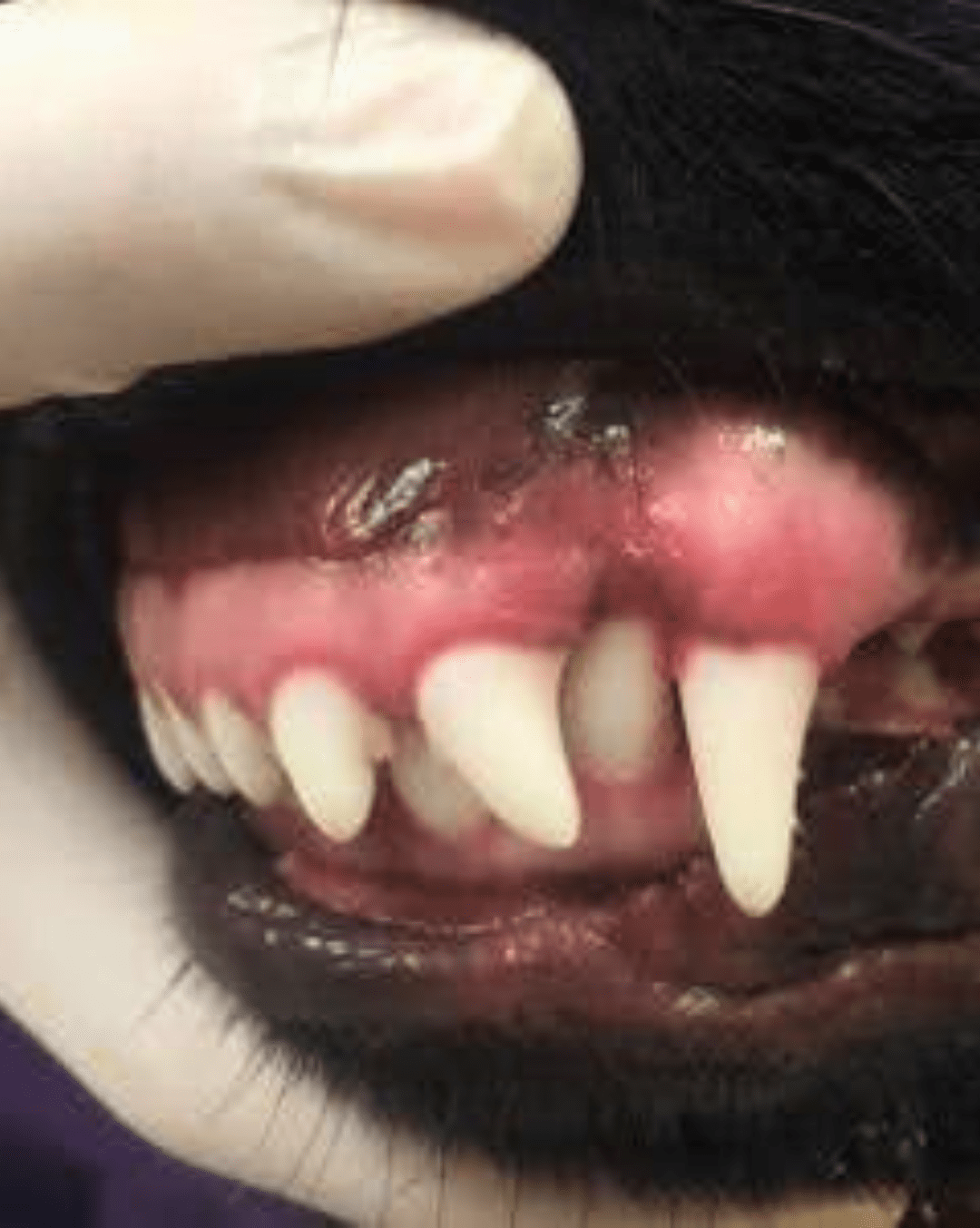
When a tooth points in the wrong direction or the upper and lower jaws do not line up correctly, every bite can cause pain. A tooth may press into the gums, rub against the palate, damage another tooth, or create wounds that never have a chance to heal.
That is where orthodontics therapies, like cat and dog braces, extractions, and crown reduction, can help. At Advanced Veterinary Dental Care and Oral Surgery, we treat painful bite problems, also called malocclusions, with therapies designed to improve comfort, protect oral tissues, and help Glen Ellyn, IL pets use their mouths more normally.
What Dental Problems May Benefit From Orthodontics?
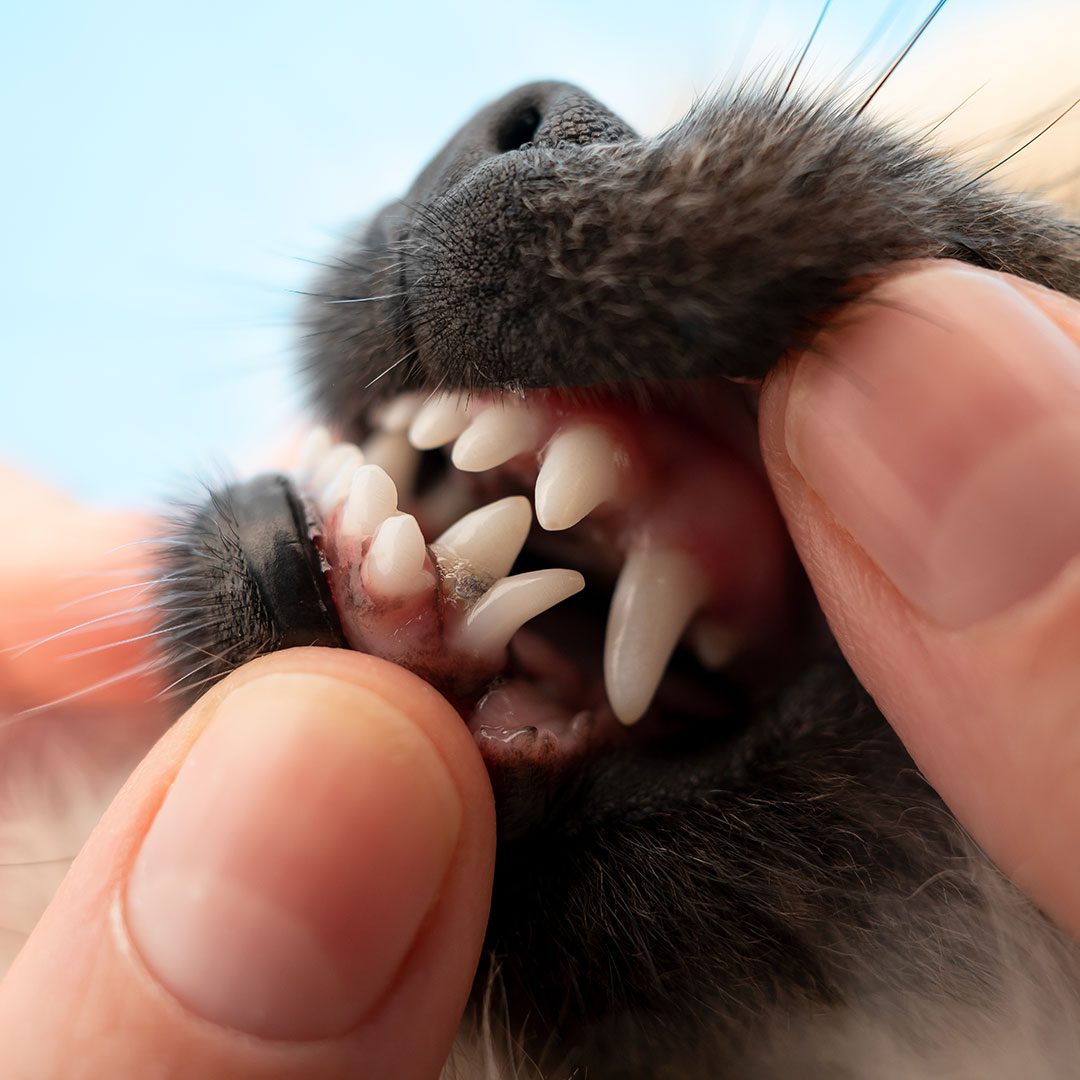
Orthodontic treatment may be recommended when a tooth or group of teeth causes painful contact inside the mouth. These problems can affect puppies, kittens, adult dogs, and adult cats, though many bite concerns are first noticed while young pets are growing.
Pets may benefit from orthodontic evaluation if they have:
Malocclusions, or teeth that do not line up properly
Tooth-on-tooth contact that causes wear or damage
Tooth-on-soft-tissue contact involving the gums, lips, palate, or tongue
Lower canine teeth that press into the roof of the mouth
Teeth that dig into the gum tissue or lips
Crowding that affects comfort or oral hygiene
Abnormal tooth position after trauma
Bite problems related to jaw growth or development
Persistent baby teeth affecting adult tooth position
Pain, oral wounds, or difficulty chewing caused by tooth alignment
Even when a pet seems to eat normally, abnormal tooth contact can cause ongoing discomfort. A complete oral exam and dental imaging help us understand which teeth are involved and which treatment options may offer the best outcome.
Orthodontic Therapies We Offer
Every orthodontic plan is based on the pet’s age, bite, tooth position, oral comfort, and long-term function. The goal is not cosmetic correction. The goal is to stop painful contact and protect the mouth from continued injury.
Orthodontic Movement
Orthodontic movement, such as through cat and dog braces, may be used to gently guide a tooth into a more comfortable position. This can help reduce painful contact with the palate, gums, lips, or another tooth.
This approach may be recommended when the tooth is healthy, the pet is a good candidate, and moving the tooth offers a functional benefit.
Crown Reduction and Vital Pulp Therapy
In some cases, shortening a tooth can relieve painful contact. Crown reduction removes a portion of the tooth crown, while vital pulp therapy protects the living tissue inside the tooth.
This option may be considered when a tooth is contacting soft tissue but can remain functional with careful treatment. Follow-up care and monitoring are important after this type of therapy.
Extractions
If a tooth is causing pain and cannot be comfortably repositioned or modified, extraction may be the best option. Removing the problem tooth can relieve trauma to the gums, palate, lips, or opposing teeth.
Our team uses imaging and surgical planning to determine whether extraction is the most appropriate choice.
Management of Persistent Baby Teeth
Persistent baby teeth can crowd the mouth and force adult teeth into abnormal positions. Removing persistent deciduous teeth at the right time can help reduce the risk of more serious bite problems.
At-Home Management of Orthodontic Treatment
Some orthodontic therapies require extra care at home. Before your pet leaves our hospital, we will walk you through specific instructions based on the treatment performed.
At-home care may include:
Feeding soft food
Avoiding hard toys, bones, antlers, and chews
Preventing rough tugging or chewing during treatment
Checking the mouth for irritation, swelling, or damaged appliances if used
Giving medications as directed
Returning for scheduled recheck visits
Following dental home care recommendations once your pet has healed
Follow-up appointments are especially important with orthodontic cases. They allow us to monitor tooth movement, healing, comfort, and long-term function.
Helping Pets Live More Comfortably With a Healthier Bite
A painful bite problem can affect your pet every day, even when the signs are subtle. Orthodontic treatment gives us a way to address abnormal tooth contact, protect delicate oral tissues, and help your pet eat, chew, and rest more comfortably. If your veterinarian has noticed a bite concern, or if your pet has oral wounds, abnormal tooth position, or discomfort when chewing, our team can help you understand the next step.