
Why Is ‘Dog Breath’ Actually a Sign of Systemic Inflammation and Hidden Infection?
Dog breath is a sign of systemic inflammation and hidden infection because the bacteria responsible for that odor live beneath the gum line, actively releasing toxins that enter your pet’s bloodstream and trigger an immune response that extends well beyond the mouth. The smell is not a personality quirk or a breed trait. It is the byproduct of a living, advancing infection. And yet, because the phrase has become so embedded in everyday language, millions of pet owners live with it, normalize it, and unknowingly allow the disease driving it to progress unchecked. This blog breaks down the clinical reality behind that familiar odor: where it actually comes from, what it signals about your pet’s internal health, and why addressing it with professional care is one of the most consequential decisions you can make for your dog or cat. If you have ever wondered whether bad breath is really worth worrying about, the answer is a clear and urgent yes.
Is Your Pet’s Dental Health Affecting Their Heart, Liver, and Kidney Function?
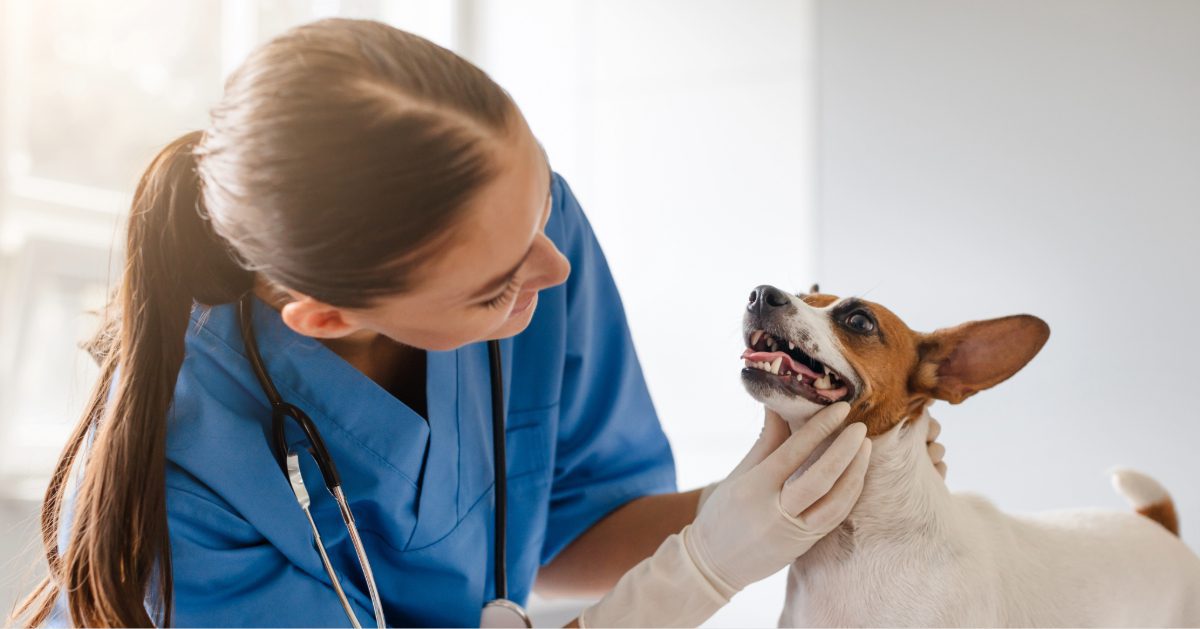
The mouth is the entry point to the rest of the body, and when foul dog breath signals an active oral infection, that infection does not stay contained to the teeth and gums. Periodontal bacteria enter the bloodstream through inflamed gum tissue and reach the heart, kidneys, and liver, where they contribute to measurable organ damage over time.
What Does Veterinary Science Say About Oral Bacteria and Organ Health?
Veterinary cardiologists, internists, and dental specialists have studied the mouth-body connection in companion animals extensively. The findings are consistent: pets with significant periodontal disease show higher rates of cardiac abnormalities, including changes to the heart valves, compared to pets with healthy mouths. Renal disease markers are also elevated in pets with chronic untreated oral infection. The liver, responsible for filtering bacterial toxins from the blood, faces an increased burden when oral bacteria enter the systemic circulation repeatedly.
Our specialists at Advanced Veterinary Dental Care and Oral Surgery in Glen Ellyn, IL treat these realities as clinical priorities. When a patient presents with foul dog breath and visible or radiographic evidence of periodontal disease, the conversation with the referring veterinarian or pet owner always includes the systemic context. Treating the mouth is treating the whole animal.
What Makes Periodontal Bacteria So Dangerous?
The bacteria most commonly implicated in canine and feline periodontal disease are anaerobic gram-negative species. These organisms produce lipopolysaccharides (LPS), which are potent inflammatory triggers. When LPS enters the bloodstream, it stimulates the immune system to release pro-inflammatory cytokines. This chronic low-grade systemic inflammatory state is believed to contribute to the same kinds of organ damage seen in human cardiovascular and metabolic disease associated with poor oral health.
Foul dog breath, in this context, is the odor generated by these same bacteria as they produce volatile sulfur compounds during their metabolic activity. When the smell is noticeable, bacterial activity is significant.
Signs that suggest the oral infection causing foul dog breath may already be affecting systemic health include:
- Elevated kidney or liver values on routine bloodwork without another obvious cause
- A heart murmur detected in a pet with concurrent advanced periodontal disease
- Chronic low-grade fever or generalized malaise with no clear systemic diagnosis
- Persistent bad breath that worsens despite regular at-home dental care attempts
How Can Professional Dental Care Add Years to Your Pet’s Life and Improve Their Daily Comfort?
Treating the source of foul dog breath with professional dental care does more than eliminate an unpleasant odor. It removes an active infection, reduces systemic inflammation, and restores comfort to an animal that has likely been managing chronic oral pain without showing obvious signs of distress.
How Does Professional Dental Care Address the Root Cause of Bad Breath?
The odor associated with foul dog breath originates primarily from subgingival bacteria, those living in the pockets between the tooth and gum tissue beneath the gum line. These areas are inaccessible to toothbrushes, dental chews, or water additives. Addressing the source requires professional veterinary dental cleaning that includes subgingival scaling, periodontal probing, and full-mouth dental radiographs to identify disease that is not visible to the naked eye.
At Advanced Veterinary Dental Care and Oral Surgery, the evaluation goes beyond surface cleaning. Every patient receives a thorough examination designed to document the full extent of disease, identify teeth that require extraction or surgical intervention, and develop a treatment plan that addresses both immediate oral health needs and the long-term management of periodontal disease.
What Do Pet Owners Notice After Professional Dental Treatment for Bad Breath?
The changes pet owners observe after professional dental treatment are often immediate and striking. Within days, the foul dog breath is gone or dramatically reduced. Within weeks, many owners report that their pet is more energetic, more engaged, and more comfortable. Animals who had been reluctant to eat hard food or play with toys often resume those activities with renewed interest after oral pain is resolved.
These changes reflect something important: the pet was in more discomfort than its behavior suggested. Because animals mask pain instinctively, the absence of obvious symptoms does not mean the absence of disease. Professional evaluation is the only reliable way to know the true state of your pet’s oral health.
Are You Prepared to Protect Your Pet From the Long-Term Risks of Untreated Periodontal Disease?
When foul dog breath is ignored or managed with odor-masking products, the underlying infection continues to advance. Periodontal disease is progressive. Each stage brings additional tissue destruction, deeper bacterial penetration, greater bone loss, and an increasing systemic burden on the organs trying to manage the infection.
What Are the Stages of Periodontal Disease in Pets?
Veterinary dentistry classifies periodontal disease in four stages. Stage 1 is gingivitis, involving inflammation of the gum tissue without bone loss. At this stage, disease is fully reversible with professional cleaning. Stages 2 and 3 involve progressive bone and attachment loss and require more involved treatment. Stage 4 disease involves severe bone destruction, significant tooth mobility, and often requires extraction. Most pets who present to Advanced Veterinary Dental Care and Oral Surgery for evaluation of foul dog breath or visible dental disease are already at Stage 2 or beyond.
The earlier professional dental care is sought, the less involved the treatment needs to be, and the more of the natural dentition can be preserved. Waiting until the problem is visually obvious or the smell is overpowering means the disease has already progressed significantly.
What Breeds and Ages are Most Vulnerable?
Small and toy breed dogs are disproportionately affected by periodontal disease, largely because their teeth are crowded into smaller jaw structures, creating more sites for plaque and tartar to accumulate. Foul dog breath in small breeds such as Yorkshire Terriers, Dachshunds, Chihuahuas, and Pomeranians should be evaluated professionally as early as age two or three. Cats, particularly those over age three, face high rates of tooth resorption and stomatitis, which also generate characteristic oral odor.
Brachycephalic breeds (dogs with flat faces, such as Bulldogs, French Bulldogs, Pugs, and Shih Tzus) present additional challenges. Their rotated, crowded teeth create environments where bacteria accumulate rapidly, and their anatomy makes dental evaluation more complex. Specialist care is particularly valuable for these patients.
What Foul Dog Breath Is Really Telling You About Your Pet’s Health
Foul dog breath is a message from the body that something is wrong below the gum line and, very possibly, beyond it. It signals bacterial infection, active inflammation, and a systemic burden that compounds with every day the disease goes untreated. For pet owners in Glen Ellyn and the surrounding communities, Advanced Veterinary Dental Care and Oral Surgery offers the diagnostic tools and clinical expertise to evaluate, treat, and manage that disease at the specialist level.
Our team at Advanced Veterinary Dental Care and Oral Surgery understands that dental procedures in pets require trust. Questions about anesthesia, recovery, treatment necessity, and cost are all part of the conversation, and we welcome them. What no pet should have to wait for is relief from the pain and infection that foul dog breath represents.
If your dog or cat has noticeable mouth odor, do not wait for it to get worse. Contact us at (630) 866-1607 to schedule a comprehensive oral evaluation or refer your patient, and get a clear picture of what is happening below the surface.
Recent Posts
About Us
At Advanced Veterinary Dental Care and Oral Surgery in Glen Ellyn, IL, we provide advanced dental and oral surgical care for dogs and cats. Our team uses detailed diagnostics and careful treatment planning to help pets feel more comfortable.