
Cat and Dog Dental Crowns in Glen Ellyn, IL to Protect Damaged Teeth
For pets with traumatic tooth injuries, weakened teeth, enamel defects, or cavity lesions, a crown or restoration may help preserve comfort and function while reducing the risk of further damage. Advanced Veterinary Dental Care and Oral Surgery in Glen Ellyn, IL offers cat and dog dental crowns as part of advanced dental treatment for pets who need more than routine care.
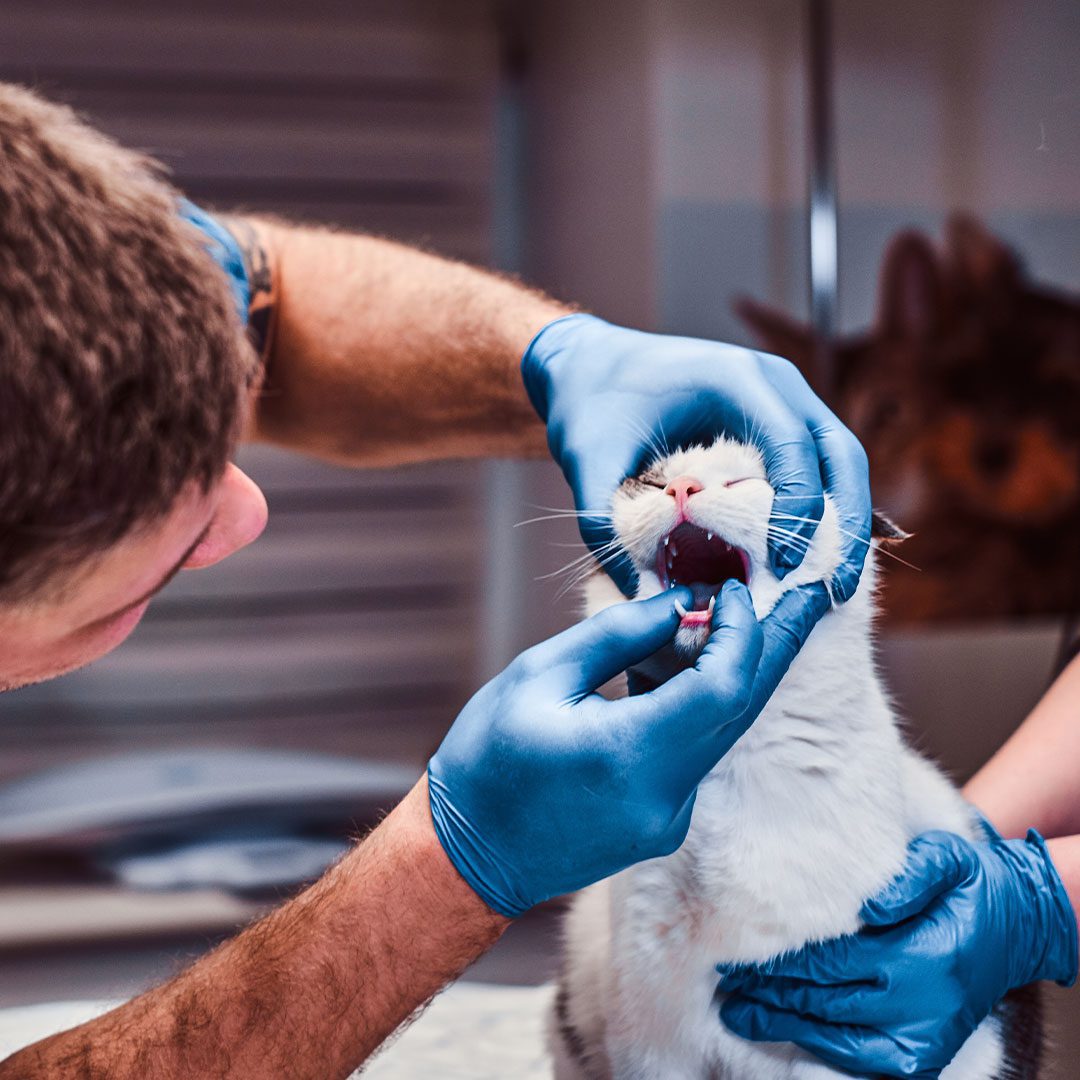
Our team evaluates each tooth carefully with advanced imaging and specialty dental planning to determine whether a crown, restoration, root canal treatment, or another option is the right fit for your pet.
When Dental Crowns May Be Needed for Pets
A cat and dog dental crown may be recommended when a tooth is important for chewing, holding, or function, but has been weakened by injury, fracture, or previous treatment. Crowns are often used to protect teeth that are still useful but more vulnerable to future damage.
Your pet may benefit from a crown if they have:
A traumatic tooth injury
A fractured or weakened tooth
A tooth treated with root canal therapy
A high-use tooth that needs added protection
Significant tooth wear
Structural damage that increases the risk of future fracture
Crowns are not right for every pet or every tooth. Before recommending treatment, we evaluate the tooth, root, surrounding bone, bite alignment, and long-term prognosis.
What Is a Cat and Dog Dental Crown?
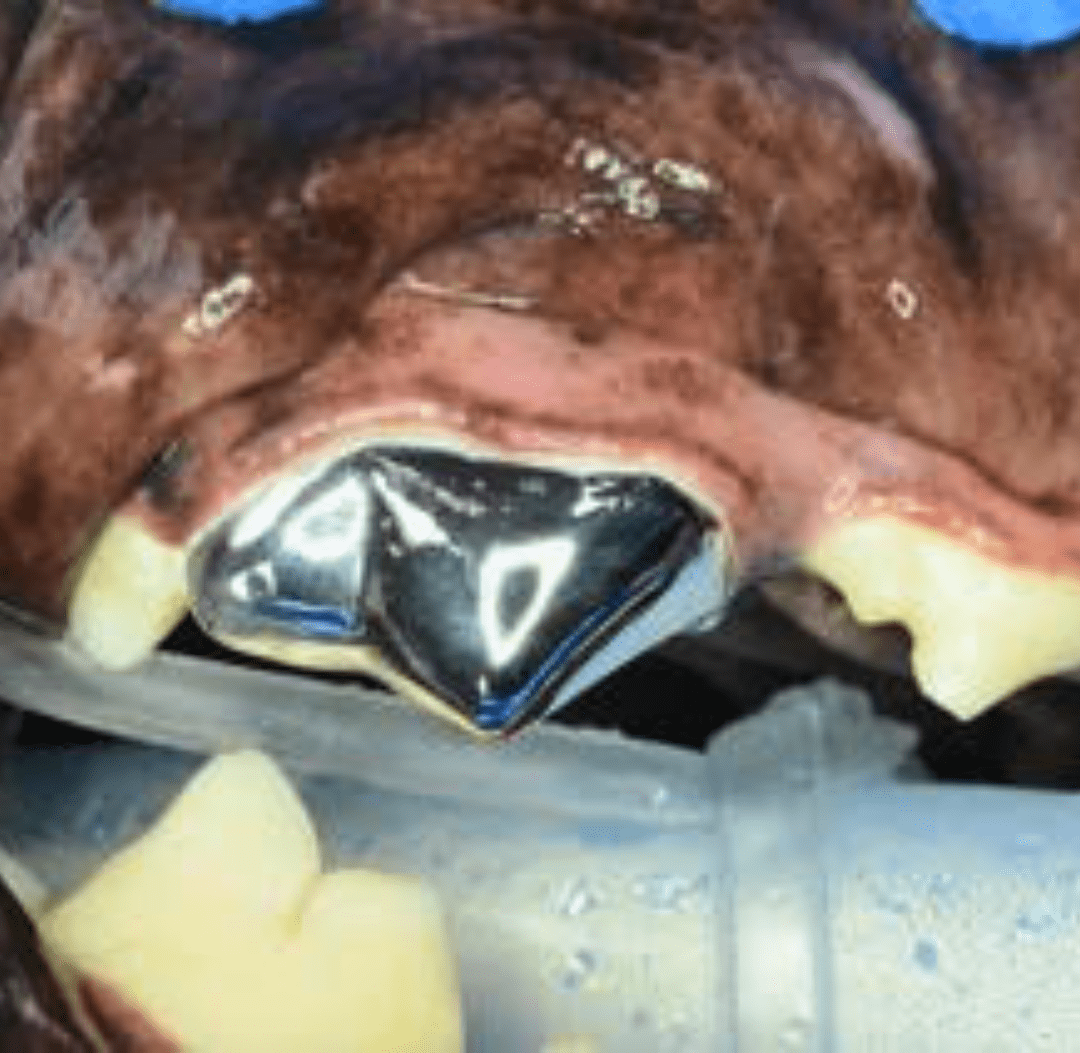
A crown is a protective covering placed over a damaged or weakened tooth. In veterinary dentistry, crowns are often made from durable materials such as titanium alloy to help protect the remaining tooth structure.
A crown can help:
Strengthen and protect a damaged tooth
Reduce the risk of further fracture
Preserve a functional tooth when appropriate
Protect a tooth after root canal therapy
Support comfortable chewing and normal oral function
A crown does not make a tooth indestructible, but it can provide important protection for teeth that need extra support.
What Are Dental Restorations?
Restorations are used to repair certain tooth defects or damaged areas. They may be recommended for pets with enamel defects or caries, also called cavity lesions.
A restoration can help smooth and seal an affected area, protect sensitive tooth structure, and reduce the chance of further breakdown. Our team will determine whether a restoration is appropriate based on the depth, location, and severity of the defect.

What to Expect After Your Pet Gets a Crown
After crown placement, most pets recover well and can return to normal routines with a few temporary adjustments. Before your pet goes home, we will review the tooth treated, the material used, and any specific aftercare instructions.
Your pet’s aftercare may include:
Soft food or modified chewing for a short time
Avoiding hard toys, bones, antlers, or chews
Monitoring the treated tooth and gums
Follow-up exams or imaging when recommended
Long-term guidance to help protect the crown
Even with a crown, pets should avoid chewing very hard objects that can damage teeth or dental work. We will also update your primary veterinarian so they understand your pet’s treatment and ongoing care recommendations.
Protecting Teeth When Saving Them Is the Right Choice
A damaged tooth does not always need to be removed. With the right diagnosis, treatment, and protection, some teeth can remain comfortable and functional. If your pet has a damaged, weakened, or previously treated tooth, our team can help determine whether a crown or restoration may be the right next step.